Why Your Brows Are Thinning: Hormonal Changes and Hair Loss
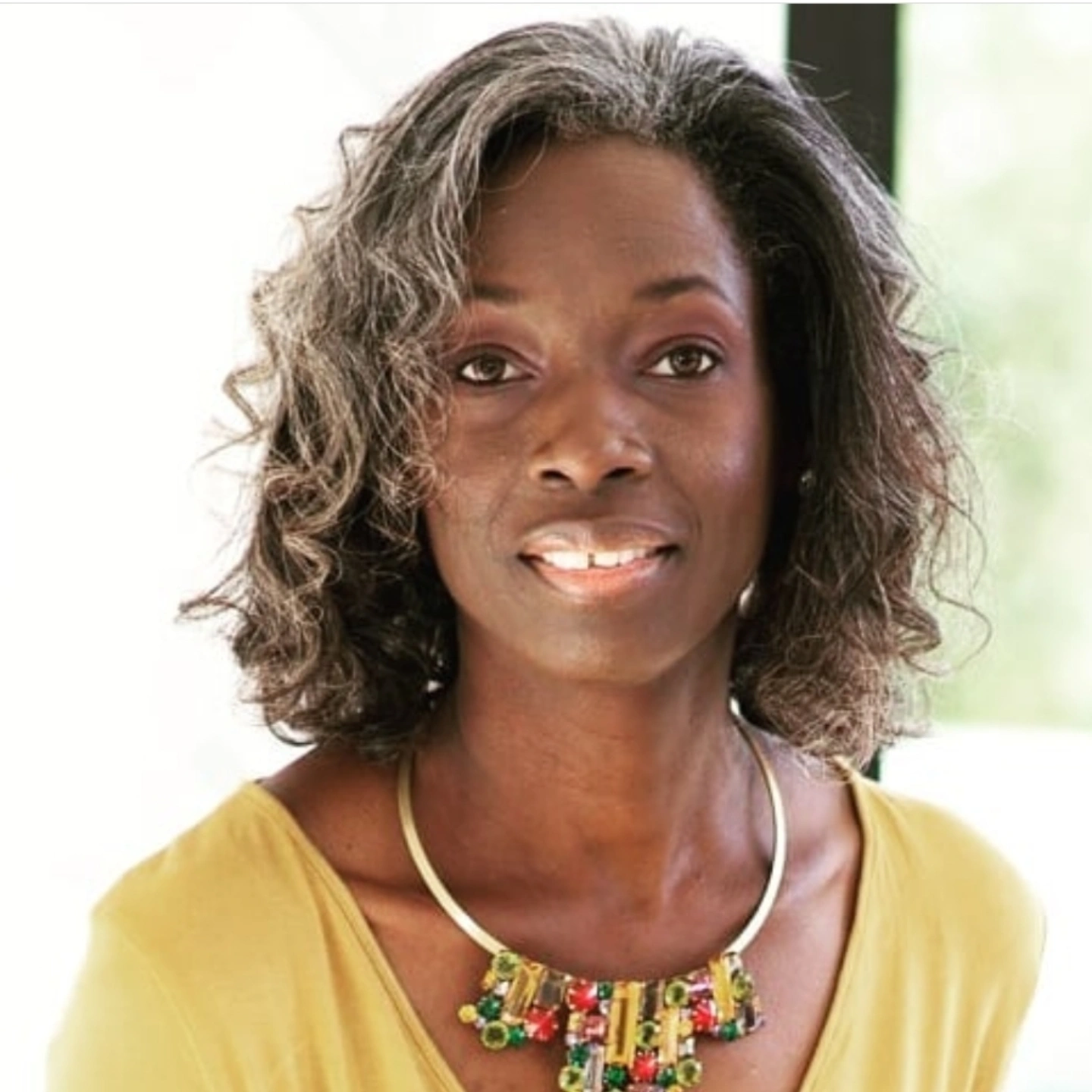
If you've noticed your brows getting thinner over the past few years, you're not alone. Many women find their brows change significantly as they move through their 40s, 50s, and beyond. The cause isn't always obvious—and it's often not just aging.
Hormonal shifts and brow loss
Your hormones regulate hair growth across your entire body, including your eyebrows. When hormones fluctuate, so does your hair.
Menopause and perimenopause are the most common hormonal events that affect brow thickness. As estrogen levels drop, hair growth slows down. Your brows may grow back more slowly after shedding, or individual hairs may become finer and lighter.
This isn't temporary. The changes you see during menopause tend to stick around.
Other hormonal shifts—thyroid changes, medication side effects, or other endocrine conditions—can also thin brows. If your brow loss happened suddenly or is accompanied by other symptoms like fatigue or hair loss elsewhere on your body, talk to your doctor. Some causes are treatable.
Over-tweezing and the slow recovery
Many women in their 40s and 50s have decades of tweezing behind them. Years of removing hair from the same follicles can damage them. Over time, some follicles stop producing hair altogether.
If this describes your brows, recovery takes time. New hairs grow slowly—usually 3 to 6 months before you see a real difference. And there's no guarantee that every follicle will bounce back.
How stress and lifestyle factor in
Chronic stress can contribute to hair loss, including eyebrow hair. Poor nutrition, especially deficiencies in iron or B vitamins, can also slow hair growth.
These factors don't cause total brow loss, but they can be part of the picture. If you're dealing with significant thinning, it's worth looking at your overall health—sleep, stress, and diet all matter.
What you can actually do
If your brows are thinning, conditioning the hairs you have is a practical first step. A nourishing oil keeps existing brow hairs soft and prevents unnecessary breakage. This won't regrow lost hair, but it protects what you have.
If you want to support the appearance of fuller brows while your hair grows back, a brow serum designed for the brow area can help you feel like you're taking action. Just be realistic about the timeline—you're not going to see dramatic change in two weeks.
For brows that have thinned significantly and aren't coming back on their own, professional brow restoration offers a more permanent solution. This is worth exploring if you've waited months for regrowth and it hasn't happened.
When to talk to a doctor
If your brow loss is sudden, significant, or accompanied by other hair loss on your body, talk to a healthcare provider. Some causes of hair loss are medical and treatable.
Hormonal changes are normal with age, but they don't have to leave you without brows.

Comments